

India-South Africa: Building Relations through Bilateral Trade, Culture and Diaspora

By Shailendra Kumar
December 29, 2025
youtube.com/@theflagpost
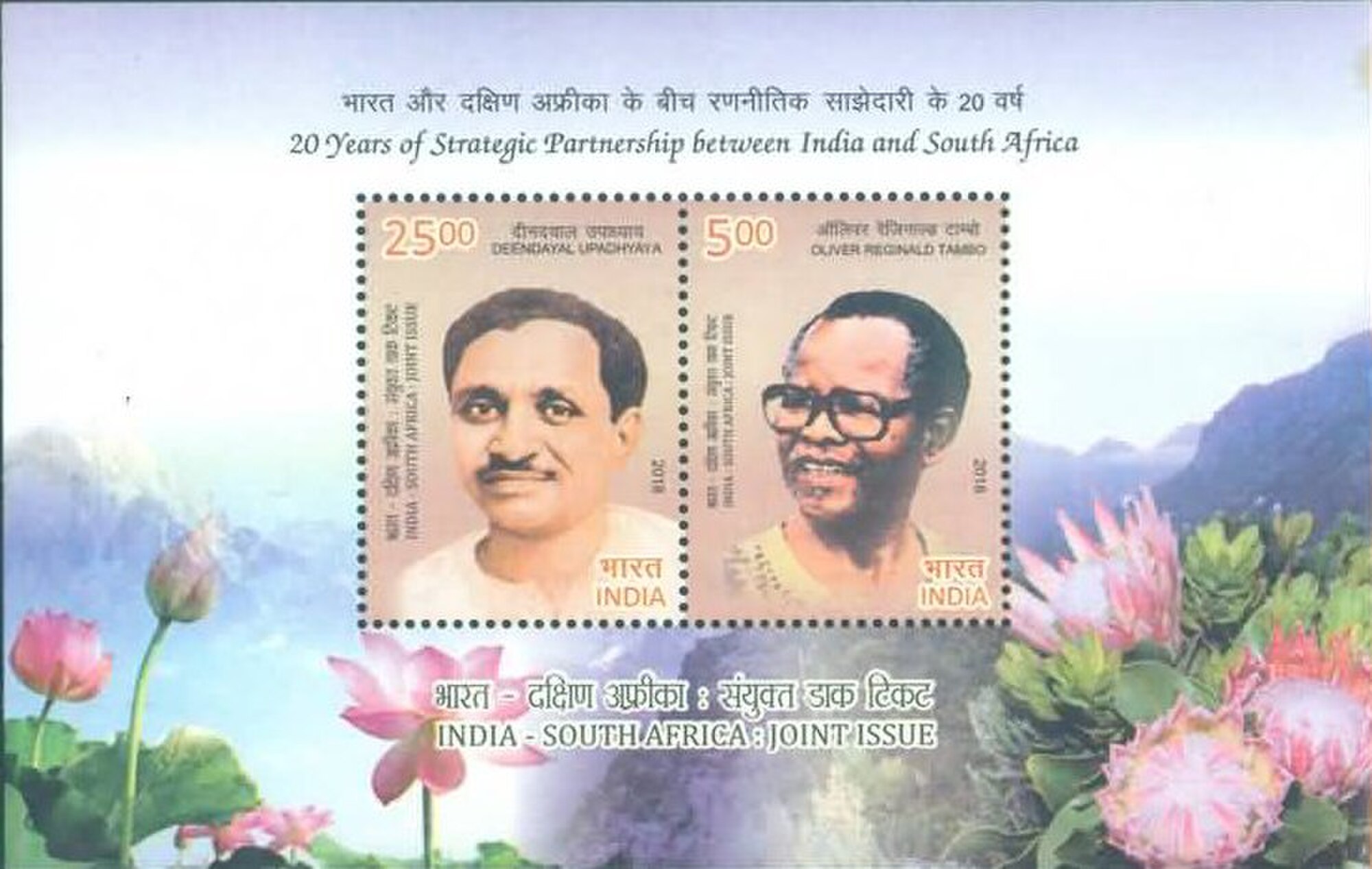
The contemporary partnership between India and South Africa is one of the most dynamic South-South engagements of the 21st century. Built on a mix of historical ties; economic complementarities; diaspora connections and strategic diplomacy, their bilateral relationship has matured into a multi dimensional partnership. Over the past three decades since re-establishing diplomatic relations in 1993, both countries have steadily expanded trade, investment linkages, cultural connectivity, and development cooperation, laying the groundwork for a robust future.
Economic Interlinkages through Trade, Investment and Diaspora
At the heart of India-South Africa ties is bilateral trade, which has grown significantly, reaching around USD 19.25 billion in 2023-24. India’s exports to South Africa include a mix of automobiles and components, pharmaceuticals, engineering goods, textiles, chemicals and gems and jewellery. While imports from South Africa are dominated by precious metals (gold and diamonds), mineral fuels, ores and raw materials.
Indian investments in South Africa span critical sectors such as IT services, pharmaceuticals, automotive assembly, banking and financial services, mining and infrastructure. More than 150 Indian companies have established operations in South Africa, significantly contributing to local employment and industrial output.
A critical enabler of this economic link is the Indian diaspora in South Africa. With one of the largest communities of Indian origin outside the subcontinent, particularly around Durban and KwaZulu-Natal, the diaspora plays a central role in bridging commercial networks, facilitating market entry, and promoting bilateral economic activity. Their business linkages and cultural networks help reduce information asymmetries and foster trust between corporate sectors of both countries.
Cultural Diversities and People-to-People Connectivity
Cultural diversity is a defining element of the India-South Africa relationship. The Indian diaspora in South Africa, rooted in colonial-era migration, has blended Indian traditions with local cultural practices, shaping festivals, cuisine, religious life, and social institutions and serving as a living bridge of cultural diplomacy.
Shared anti-colonial and anti-apartheid experiences further strengthen this bond. Mahatma Gandhi’s formative years in South Africa shaped early ideas of civil rights and nonviolent protest, an inheritance still commemorated in both societies. This shared history fosters mutual respect and deepens people-to-people ties beyond formal diplomacy.
Cultural connectivity also extends to education, tourism, and creative exchanges, enhancing mutual understanding and strengthening social capital between the two countries.
Fields of Cooperation Today
The India-South Africa relationship is no longer limited to trade and diplomacy. Both nations have expanded cooperation across several strategic sectors:
*Technology and Digital Transformation: India’s prowess in information technology and digital public infrastructure is increasingly relevant for South Africa’s digital ambitions. Areas such as fintech, cybersecurity, digital payments, e-governance, and digital healthcare platforms present fertile ground for collaboration, with Indian firms bringing services and solutions to accelerate South Africa’s digital economy.
*Renewable Energy and Green Infrastructure: Both countries are committed to energy security and sustainability. India’s leadership in solar manufacturing and renewable technologies is supported by initiatives like the International Solar Alliance (ISA) which provides a platform for joint projects in clean energy, energy storage and transmission infrastructure in South Africa.
*Pharmaceuticals and Healthcare: Indian pharmaceutical firms are among the world’s most competitive suppliers of affordable medicines. With South Africa’s healthcare systems evolving and plans like the National Health Insurance (NHI) scheme: Indian companies are positioned to expand market presence, supply essential drugs and contribute to public health capacity building.
*Automotive and Manufacturing: Indian manufacturers, including Mahindra, are expanding operations from assembly to full manufacturing, strengthening industrial cooperation and local value chains.
*Financial and Institutional Platforms
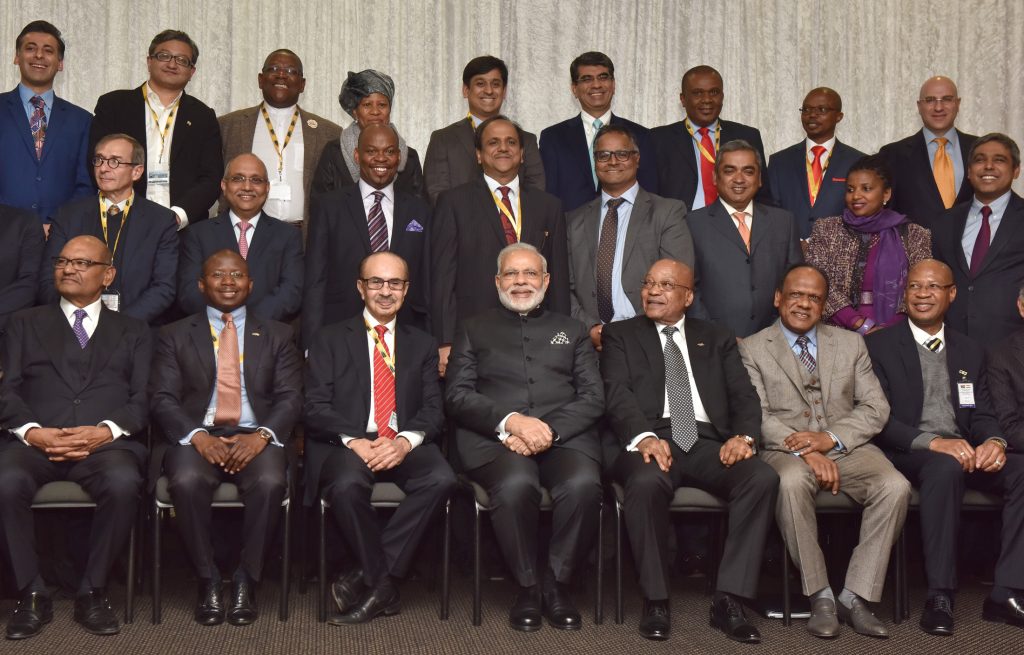
The recent establishment of the India-South Africa Chamber of Commerce (ISACC) highlights private sector momentum in boosting trade, facilitating partnerships and creating entrepreneurship opportunities focused on youth and women’s participation.
What Lies Ahead? Strategic Trends and Future Prospects: Looking ahead, several trends will shape the trajectory of India-South Africa relations:
Broadening Economic Integration: Both nations are exploring frameworks to deepen trade facilitation, enhance investment protection and reduce tariff barriers, potentially leveraging regional arrangements such as the Southern African Customs Union (SACU) and broader Africa trade agreements to expand market access.
Strengthening Value Chains: Future cooperation could focus on building regional supply chains, particularly in pharmaceuticals, IT services and renewable technologies, aligning with global shifts toward diversification and resilience. India’s manufacturing capabilities can complement South Africa’s industrial base, creating mutually beneficial value chains.
Diaspora-Led Entrepreneurship: As diasporic communities continue to influence business ecosystems, both countries may invest more in diaspora-led entrepreneurship, networks and mentorship platforms to catalyse small and medium enterprise growth and bilateral venture capital flows.
Multilateral and Strategic Collaboration: India and South Africa share leadership in global forums such as BRICS, G20 and the United Nations, advocating for Global South priorities including equitable trade rules, climate finance reform and sustainable development. This strategic convergence will bolster diplomatic weight and collective bargaining in global governance.
Conclusion
The India-South Africa partnership is at a pivotal stage, built on economic complementarities, cultural ties, and shared developmental priorities. Cooperation across trade, technology, healthcare, green infrastructure, and strategic diplomacy reflects a forward-looking, multi-sectoral agenda. Strengthening institutions, engaging the diaspora, and promoting inclusive economic frameworks will be essential to advancing this evolving bilateral relationship.
(The author is a Ph.D candidate at the Department of African studies, University of Delhi).
