

Gujarat’s Siddi Community: Reality, Recognition, and the Challenge of Inclusion


By Smita
January 17, 2026
youtube.com/@theflagpost
The Siddi community of Gujarat represents one of the most distinctive yet least understood social groups in contemporary India. They’re mainly concentrated in the Junagadh district region, including the villages of Jambur and Talala. The Siddi’s are recognised as Indian citizens and listed as a Scheduled Tribe (ST) in the state. This constitutional recognition has created pathways for social mobility, yet everyday experiences reveal that formal status alone has not been sufficient to ensure their full integration and inclusion. Examining the present condition of Siddis in Gujarat highlights the gap between policy intent and lived reality.
In Gujarat, the Scheduled Tribe status has enabled Siddis to access reservations in education, public employment, and local self-governance. Over time, these measures have produced visible improvements. School enrolment among children has increased, and a growing number of Siddi youth have completed secondary education. Some individuals have entered government services; the police; armed forces and sports institutions and offering examples of upward mobility within the community. Their participation in the Panchayati Raj institutions has also improved, giving Siddis a formal voice in local governance. These developments demonstrate that affirmative action, when implemented effectively, can create meaningful opportunities.
Despite this progress, socio-economic challenges remain widespread. Many Siddi settlements are located adjacent to forest- or semi-rural areas, where infrastructure is limited. Access to quality education continues to be uneven. While primary schooling is generally available, secondary and higher education often requires travel to distant towns. For families dependent on daily wage labour, this creates financial pressure and leads to high dropout rates, particularly among girls. Early marriage, lack of hostels, and concerns over safety further restrict educational continuity for young women.
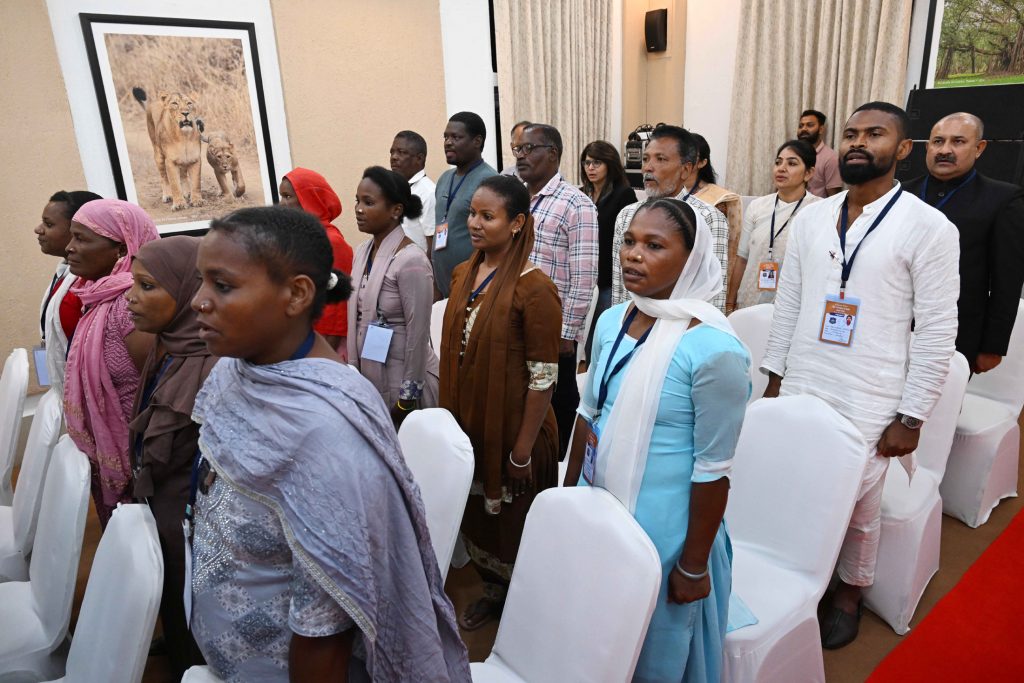
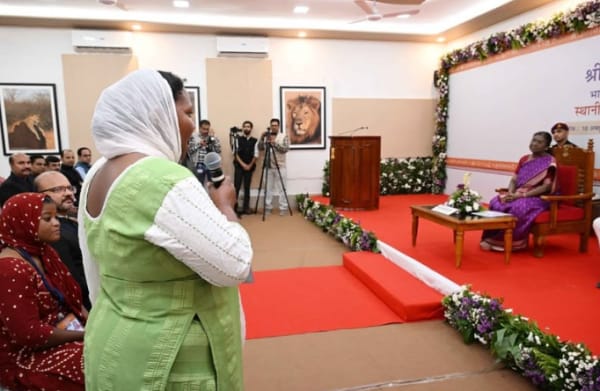
Healthcare access is another critical concern. The government health centres in Siddi- dominated areas are frequently understaffed or inadequately equipped. As a result, families often rely on private healthcare providers, which increases out-of-pocket expenditure and deepens economic vulnerability. Preventive healthcare, maternal services, and nutrition programmes exist on paper but are inconsistently delivered. These gaps disproportionately affect women, children, and the elderly.
Livelihood insecurity remains central to the community’s struggles. A significant proportion of Siddi households depend on agricultural labour, forest-based work, construction, or other informal occupations. Employment is often seasonal and poorly paid, leading to migration in search of work. This mobility disrupts family life and education, reinforcing cycles of poverty. While land titles and welfare schemes have reached some households, awareness of entitlements is limited. Complex procedures and reliance on intermediaries often discourage individuals from claiming benefits, leaving many eligible families excluded.
Social inclusion presents another layer of difficulty. Legal recognition has not eliminated social distance between Siddis and the neighbouring communities. Subtle forms of discrimination persist in housing, employment, and everyday interaction. Physical appearance, combined with economic disadvantage, can lead to stereotyping and exclusion. These experiences are rarely captured in official data but shape how Siddis perceive their place in society. Feelings of marginalisation coexist with a strong sense of belonging to the local region, creating a complex identity negotiation.
Civil society organisations have played an important role in addressing some of these challenges. In Gujarat, non-governmental and community-based organisations have supported education, skill development, women’s self-help groups (SHGs), and sports initiatives. These efforts have helped improve literacy, financial independence, and self- confidence, particularly among youth and women. During periods of crisis, such as the COVID-19 pandemic, such organisations provided essential relief and digital access for children’s education. However, reliance on NGOs also points to limitations in state outreach and the uneven implementation of welfare programmes.
Cultural life remains a source of resilience and pride within the Siddi community. Music, dance, language, and collective rituals strengthen social bonds and provide continuity in times of hardship. Public recognition of Siddi cultural practices through festivals and performances has increased in recent years, contributing to greater visibility. Yet cultural celebration should not be mistaken for social equality. Without parallel investment in
education, health, and livelihoods, cultural recognition risks becoming symbolic rather than transformative.
Recent political attention has brought renewed visibility to the Siddi community. Symbolic gestures by national leaders have affirmed dignity and belonging, which are important for communities long accustomed to neglect. However, the community’s expectations remain practical. Access to quality schools, nearby colleges, healthcare facilities, stable employment, and fair implementation of welfare schemes are seen as priorities over symbolic recognition.
The experience of the Siddi community in Gujarat demonstrates that inclusion is a process rather than a declaration. Constitutional status provides a foundation, but meaningful inclusion requires sustained engagement, administrative accountability, and community participation. Policies must be shaped by local realities rather than generalised assumptions about tribal life. When Siddis are treated not merely as beneficiaries but as stakeholders in development, programmes are more likely to succeed.
In conclusion, the situation of the Siddi community in Gujarat reflects both the possibilities and limitations of India’s affirmative action framework. Progress in education, representation, and visibility is evident, yet deep structural inequalities persist. Addressing these challenges requires moving beyond one-time interventions toward long-term investment in human development and social respect. Ensuring that Siddis can participate fully in social,economic, and political life is not only a matter of welfare but a measure of India’s commitment to inclusive citizenship.
(The Author is a Senior Research Fellow @ the Dept. of African Studies, University of Delhi, India).
