


From Caracas to Greenland, the President’s hardball foreign policy redraws the map—and dares the world to blink first
By TN Ashok
New York
Jan 06, 2026
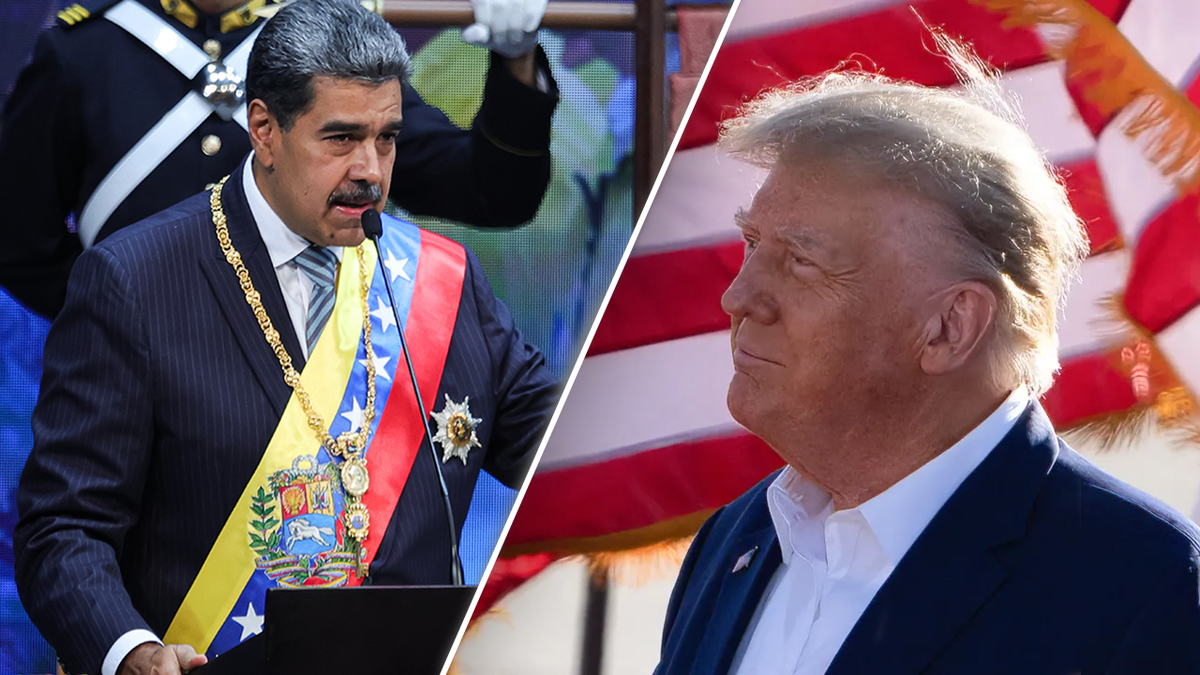
Nicolás Maduro is gone—hauled out of Caracas under U.S. military escort like a disgraced mob boss. But don’t pop the champagne yet. The dictator’s exit has detonated a geopolitical brawl stretching from the tropics to the Arctic, and President Trump is swinging for the fences. Washington sold the operation as liberation. What followed looks more like domination.
First shocker: Trump iced Venezuela’s most credible democratic hope, Nobel Peace Prize laureate María Corina Machado. Too independent, too popular and too hard to control. The White House line—she “lacks respect on the ground”—left diplomats sputtering. Machado survived years of intimidation and bans, built real street credibility, and outlasted chavista thugs. That’s precisely the problem. Instead, Trump waved through Delcy Rodríguez—Maduro’s former enforcer-in-chief. Same terror machinery. Same cartel-stained security services. New label. “They removed the tyrant and kept the tyranny,” one regional official growled. The Cartel de los Soles is still flying coke. The prisons still whisper. The intelligence files didn’t burn—they just changed hands.
Why sideline a Nobel laureate and crown a compromised apparatchik? Because control beats credibility. Machado comes with a mandate. Rodríguez comes with strings—and Washington’s holding the scissors. Then the map blew up.
While Caracas reeled, Russian and Chinese ships cruised near Greenland, that frozen slab Trump once joked about buying and now treats like a crown jewel. Rare earths. Arctic shipping lanes. Missile warning systems. The message from Moscow and Beijing was blunt: you grab Venezuela, we’ll rattle the Arctic. Denmark is stuck in the middle—nominal owner of Greenland, practical bystander to superpower chess. One European official put it dryly: “Venezuela has a price. They’re collecting interest.” Trump isn’t blinking. He sees Greenland as strategic, not symbolic—and he’s done asking permission.
Closer to home, the old ghosts are stirring. Cuba—the quiet puppet master that trained Maduro’s spies and jailers—never left. Its operatives melted into Venezuela’s bureaucracy, now serving Rodríguez. Trump’s hawks want Havana squeezed till it squeals. Moderates warn of a refugee wave straight to Florida. Guess which side has Trump’s ear. And then there’s Mexico—the real powder keg.
Trump has turned fentanyl into his red line. Seventy thousand dead Americans a year. Cartels he calls “terror armies.” Sovereignty, to him, is a suggestion—not a shield. Privately, aides say he’s threatened tariffs, border crackdowns, even strikes on cartel hubs if Mexico doesn’t deliver results—fast. Publicly, he flatters President Claudia Sheinbaum. Privately, he sharpens the knife.
“Can’t control your territory? We will,” one insider quoted Trump as saying. Doctrine, not bluster.
The supply chain tells the darker story. Fentanyl precursors flow from China and India through shell companies slick enough to dodge regulators. Beijing and New Delhi swear they’re cracking down. Washington isn’t convinced. India, in particular, is now in Trump’s crosshairs—pressed to choke precursor exports and curb Russian oil buys or face punishing tariffs. Prime Minister Modi gets the compliments. He also gets the bill. That’s Trump’s playbook: velvet words, iron terms.
Across Latin America, nerves are fraying. Colombia is reinforcing borders. Brazil is recalibrating. Smaller states are asking a chilling question they thought died with the Cold War: are we next? Supporters say sanctions failed and strength works. Critics point to Iraq and Libya—dictators gone, chaos crowned. Venezuela, hollowed out and weaponized by poverty, could be next in line.
What’s clear is this: Trump has resurrected a turbocharged Monroe Doctrine—less speeches, more muscle. Democracy is optional. Compliance is mandatory. In Caracas, repression survives under a new boss. In the Arctic, warships circle. In Mexico, cartels brace. And in Washington, a president who equates unpredictability with power keeps moving. Maduro’s out. The shadow he leaves behind is bigger, darker—and now unmistakably American.
