


By TN Ashok
October 29, 2026
youtube.com/@theflagpost
From Dubai’s waterfront villas to Mayfair mansions and Manhattan apartments, Indian money is buying a second address abroad, and the motive is rarely just yield. Tax, schooling, security, mobility and a quiet unease about the next thirty years all play a part. The verdict is that this is a hunt for options, not a mass flight from India. But what the wealthy choose to insure against says something about what they trust at home, and what they do not.


The scale of the shift
The marquee names set the tone. Adar Poonawalla’s Serum Institute bought Aberconway House in Mayfair for £138 million (about ₹1,446 crore), the costliest overseas home bought by an Indian billionaire. Mukesh Ambani bought Stoke Park in Buckinghamshire for £57 million in 2021 and is linked to a Palm Jumeirah villa. Lakshmi Mittal reportedly paid about Dh367 million (roughly $100 million) for an Emirates Hills mansion. Shah Rukh Khan’s Palm Jumeirah villa is a Dubai landmark, and several other Bollywood families are reported to hold Dubai property.
The trend now reaches well beyond billionaires. According to a Knight Frank India and IREX survey reported on October 22, 2026, remittances for overseas property rose 64% to $528.7 million in 2025–26. Overseas property now averages 13% of respondents’ wealth portfolios, against about 5% a decade ago. These figures cover only remittances under the Liberalised Remittance Scheme, not purchases through companies or by non-residents. But the direction is clear.
The Dubai magnet
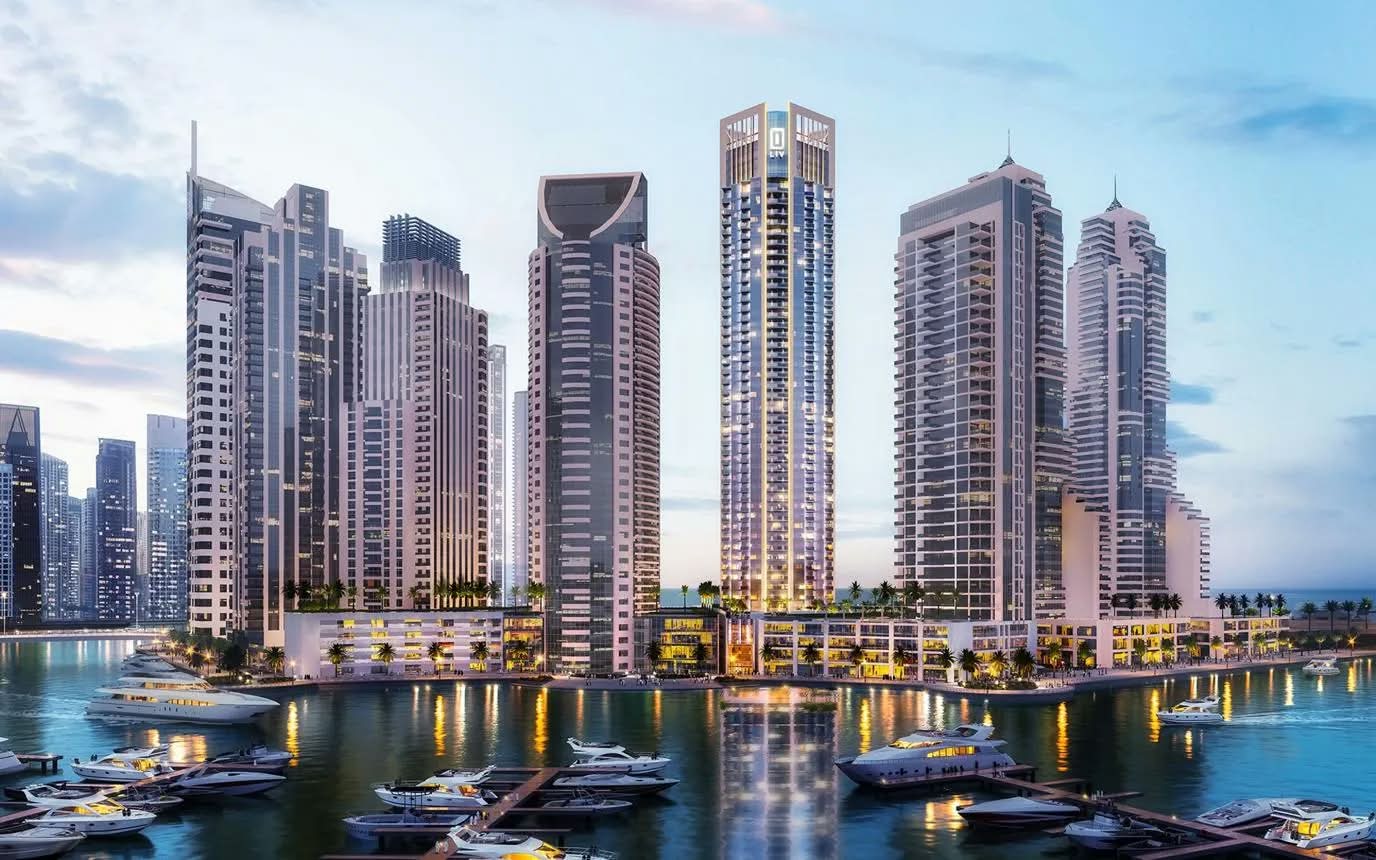
Dubai leads for good reasons: modern infrastructure, global connectivity, a large expatriate community, a favourable personal-tax regime, a dollar-pegged currency and long-term residency for qualifying investors. Reported rental yields of 8–10% compared with 2–3% in prime Gurgaon. The pitch works for a Bengaluru founder as well as a film star.
None of it is guaranteed. A weaker rupee raises the cost of entry, and oversupply, service charges and vacancies can erase the gains.
Is it about taxes?
Only partly. India abolished wealth tax in 2015 and has no inheritance tax. The burden falls on income: a top effective rate of roughly 39% to 42.7%, 12.5% long-term capital gains on property, and stamp duty of 4–8% plus registration fees. The wealthy also complain of compliance complexity, state-by-state variation and slow approvals.
But the article is clear that a foreign house is not a tax shelter. A resident Indian is generally taxed on global income and must disclose foreign assets. The UK, the US and even Dubai impose their own costs, fees and estate-planning complications. The real comparison is total after-tax return, predictability of rules and ease of exit. Where tax does matter is in the choice of destination, as shown by wealthy residents reassessing Britain after its non-dom changes. Anyone who thinks a villa is a way to escape obligations has misread the rules.
Returns, currency and the lure of the tangible
Property appeals because it is tangible: you can visit it, rent it and bequeath it. But it carries high transaction costs, can take months to sell and concentrates wealth in one asset. A 5% rise in dollar terms can shrink to almost nothing after purchase costs, maintenance and empty months. A prudent buyer should calculate net rental yield, taxes in both countries, management fees, insurance, financing and exit costs before signing.
For founders whose fortunes are tied to one company, a foreign flat can diversify away from business risk, but a portfolio heavy in residential property swaps one concentration for another. The article also separates two groups that are often confused: founders who have moved abroad, and resident Indians remitting money out. Their legal and financial positions differ.
The middle class joins in
The most consequential change is who is buying. An app developer, an employee with valuable startup stock, a small-business owner or a couple with children studying abroad may now afford a two-bedroom flat near a university. It can house a child, earn rent when empty and serve as a retirement base. Buying instead of paying rent abroad is a natural question.
But for a three-year degree, renting can beat owning once costs and resale risk are counted. Buying should rest on the numbers and family circumstances, not on status.
An escape from the social climate?
This is the most sensitive dimension. Some families want predictable public services, secure neighbourhoods, better infrastructure and an international upbringing for their children. Others cite political polarisation, religious fundamentalism, local disputes, extortion or criminal networks. Prominent industrialists and film stars, especially those threatened by Mumbai’s underworld, also have real privacy and security concerns.
Yet the article refuses to read every purchase as flight. The US has its own divisions and security worries, Britain’s economic and immigration policies keep shifting, and Dubai offers stability under a very different political and legal framework from a liberal democracy. The attraction is less a rejection of India than a wish to keep options open. A family can run businesses in India, keep its main home in Mumbai or Delhi, and hold a second residence abroad for study, leisure or retirement. In that sense property is insurance, not against a particular catastrophe but against uncertainty over the next twenty or thirty years.
Children and inheritance
For many wealthy families, the decisive factor is generational. A London or Dubai home gives children who study, work or marry abroad a base without starting from scratch. But cross-border inheritance is complicated. Ownership structures, succession laws, inheritance taxes, probate procedures and heirs’ tax residence can turn a legacy into an expensive burden. The best-informed buyers are planning where their children may live, where their businesses will operate and which currencies they will spend, not just shopping for a prestigious address.
The verdict
The boom reflects a wealthier, more globally connected and more ambitious India. For a billionaire, a Dubai mansion is a strategic addition to a global portfolio. For a film star it is a private retreat, for a founder a base near international business, and for a middle-class family a child’s education, rental income or a possible future home. The financial logic is real, and so are the risks: foreign property is neither a guaranteed route to better returns nor an escape from tax, and it demands transparent funding, compliance with exchange rules and careful succession planning.
The deeper message is that growth alone does not decide where people build their futures. Predictable institutions, personal security, reliable public services and confidence in what comes next matter too. The telling question is not why wealthy Indians buy homes abroad. It is why a growing number believe their security and their children’s opportunities are best protected by a second address in the world.
