


By Global Bihari Bureau
October 16, 2026
https://youtube.com/@theflagpost
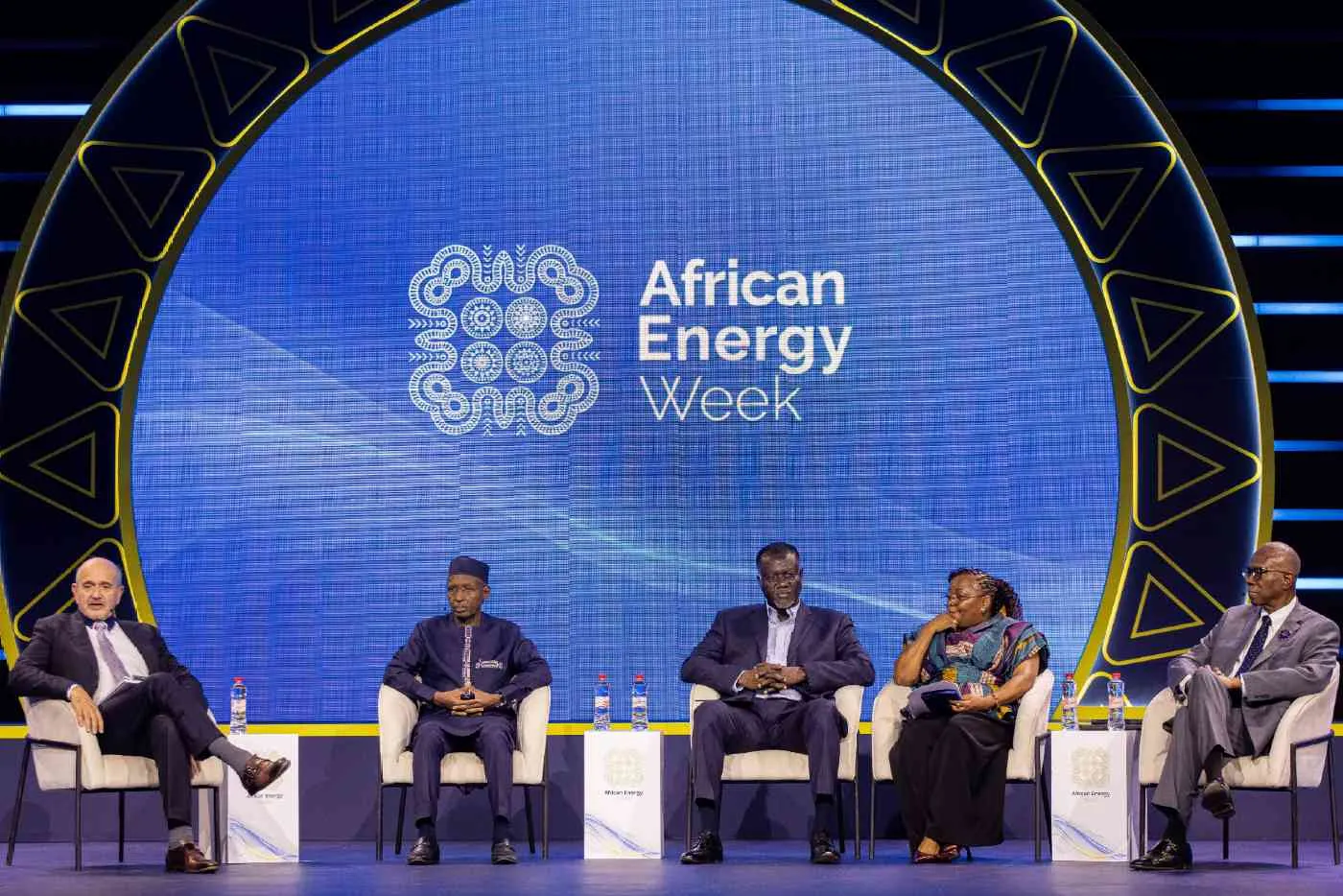
Cape Town: Africa will need at least $125 billion in investment in oil refining through 2050, according to the Organisation of the Petroleum Exporting Countries (OPEC), which has warned that rising petroleum demand, inadequate processing capacity and limited access to finance threaten the continent’s ability to translate its energy resources into broader economic gains. The estimate, presented at African Energy Week 2026 in Cape Town, sets the context for developments in Uganda, South Africa and Ghana, where governments and energy companies are pursuing different routes to expand production, attract capital and retain more value from hydrocarbons. The African Energy Chamber issued the conference announcements on these developments.
Abderrezak Benyoucef, head of OPEC’s Energy Studies Department, said the investment requirement covers existing and future refining projects as well as maintenance. The organisation’s projections point to a widening gap between Africa’s petroleum requirements and its ability to process crude oil into fuels, even if planned capacity additions materialise.
African refineries currently operate at around 55% utilisation, processing less than three million barrels per day (bpd). OPEC expects the continent’s distillation capacity to increase by 3.2 million bpd to approximately 7.9 million bpd by 2050, with utilisation rising to around 80%. Yet African oil demand is projected to rise from 4.9 million bpd to 9.2 million bpd over the same period
The economic case for refining within Africa is substantial. Countries that process crude domestically can potentially reduce exposure to imported fuels, develop associated industries and retain more of the value generated by their natural resources. But refineries require large upfront investments, reliable feedstock, infrastructure, working capital and sustained operating efficiency. Poor utilisation or high financing costs can erode the benefits of local processing, while subsidised prices or inefficient state ownership can transfer commercial losses to public finances.
OPEC Secretary General Haitham Al Ghais, addressing delegates by video, linked the investment challenge to the continent’s development needs. Africa’s population is projected to grow by approximately 917 million by 2050, while its gross domestic product is expected to expand at an average annual rate of 4.4%, according to the organisation’s outlook. The continent has an estimated 120 billion barrels of proven crude oil reserves and 18 trillion cubic metres of proven natural gas reserves.
The scale of the access challenge remains stark. OPEC estimates that around 700 million Africans could still lack access to clean cooking in 2050 under its reference scenario. Its alternative scenarios, which assume stronger economic growth and greater investment in technology, project lower numbers. This suggests that investment in oil and gas infrastructure alone will not resolve Africa’s energy poverty: household access, affordability, electricity networks, distribution systems and alternative clean-cooking technologies will also determine outcomes
Uganda illustrates the difficulty of turning resource discoveries into production and export earnings. The East African Crude Oil Pipeline (EACOP), which will transport Ugandan crude to the Tanzanian port of Tanga for export, was reported to be 92% complete at the conference. The project’s own September update put overall completion at 92.7%.Uganda’s first oil is expected to mark the culmination of a development process that began with commercial discoveries in 2006. The pipeline will provide access to international buyers, but it will also create long-term transport costs and make export economics dependent on production volumes and market conditions. Alongside exports, Uganda plans to develop a domestic refinery with a capacity of 60,000 bpd at Kabaale in Hoima district.
Regional cooperation and access to larger markets could improve utilisation, but only if transport infrastructure and commercial arrangements make cross-border trade viable. Senegal is seeking to widen its upstream investment base while developing the infrastructure needed to turn gas and crude production into domestic industrial activity. Minister El Hadji Abdourahmane Diouf told African Energy Week delegates that 104 oil and gas blocks were available to investors and that the country hoped to sign new exploration and production contracts. Senegal is also pursuing downstream investment through a proposed second refinery designed to process Sangomar crude. The project is estimated to cost $2 billion to $3 billion and is planned to have capacity of four million tonnes a year.
South Africa presents a different challenge. It has an established fuel market and substantial potential offshore resources, but declining domestic refining capacity has increased its reliance on imported petroleum products. According to Central Energy Fund figures cited at African Energy Week, imports meet approximately 61% of domestic fuel demand, compared with 22% in 2019. South Africa’s downstream market is also attracting foreign investment. Abu Dhabi National Oil Company’s distribution business agreed in July to acquire Shell Downstream South Africa in a transaction with an implied enterprise value of about $1 billion, subject to regulatory approvals and other conditions.
Ghana, meanwhile, has reported a recovery in crude production after five years of decline. Energy and Green Transition Minister John Abdulai Jinapor announced at African Energy Week that national crude output had increased by 30%. The announcement came amid renewed development at the Jubilee field following a 2025 memorandum of understanding with Kosmos Energy.
OPEC’s $125 billion refining estimate signals the scale of the capital requirement, but it is not a funding commitment or a guarantee that every proposed refinery will earn an adequate return. The opportunities extend beyond crude exports. Refining, storage, pipelines, gas processing and fuel distribution can support industrial activity and create demand for local services and skilled labour. The scale of the opportunity is considerable; the results will depend on execution, commercial discipline and the quality of the investment frameworks.
Africa’s energy investment challenge is therefore not simply a race to extract more oil and gas. Governments will also need to weigh the risk of committing capital to long-lived hydrocarbon assets as technology, climate policy and global demand patterns evolve.
(The above article is an abridged version of a report first published www.globalbihari.com )
